B/LBEYOND THE
LANDSLIDE
Independent public writing
by Sophia Moxuan Zhang
Kyanjin Gompa, a village beneath snow-covered mountains in Nepal's Langtang Valley
MOUNTAINS / MOBILITY / HUMAN STORIES PUBLIC WRITING

The mountain
is only half
the story.

Kyanjin Gompa, Langtang Valley, Nepal · Lesly Derksen / Unsplash
01 / THE IDEA

Disaster risk is not written into a mountain alone. It changes with the roads we build, the journeys we make, and the people who happen to be there.

Beyond the Landslide follows those human questions through reported commentary, photography, and—eventually—interactive storytelling.
02 / THE FIRST TWO STORIES

Two articles.
One conversation.

One essay asks who is exposed before a disaster. The next asks how we account for people afterward.

Road carved across a mountainous valley near Muktinath, Nepal01 — BEFORE THE DISASTER
Muktinath, Nepal · Photo: Raimond Klavins / Unsplash
PUBLISHED IN EDMONTON JOURNAL / SEPTEMBER 2026

The Himalayas didn't get more dangerous: More people are in harm's way

A changing mountain corridor reveals a problem that terrain maps alone cannot explain: exposure rises as trade, travel, and daily movement bring more people into hazardous valleys.

Read the published column ↗
Houses and roads in a green mountain village in Lalitpur, Nepal02 — AFTER THE DISASTER
Lalitpur, Nepal · Photo: Sushanta Rokka / Unsplash
PUBLISHED ON PREVENTIONWEB / 24 SEPTEMBER 2026

Who is missing? Planning for people passing through high-risk corridors

Residents may appear in local records. Travellers may not. This essay considers how cross-border information, privacy safeguards, and identification procedures shape the aftermath of a disaster.

Read the published commentary ↗
Original articles remain with their publishers. Images on this site depict wider Himalayan and Nepali settings; they do not document the specific August 2026 disaster.
Snow-capped Langtang mountains in Rasuwa District, Nepal
Langtang, Rasuwa · Pustam.EGR / CC BY 4.0 · Cropped
A SHIFT IN PERSPECTIVE
Knowing where a disaster can happen is different from knowing who will be there.

Terrain tells one part of the story. People, infrastructure, and movement tell another.

04 / FROM THE FIELD

A closer look
at the ground.

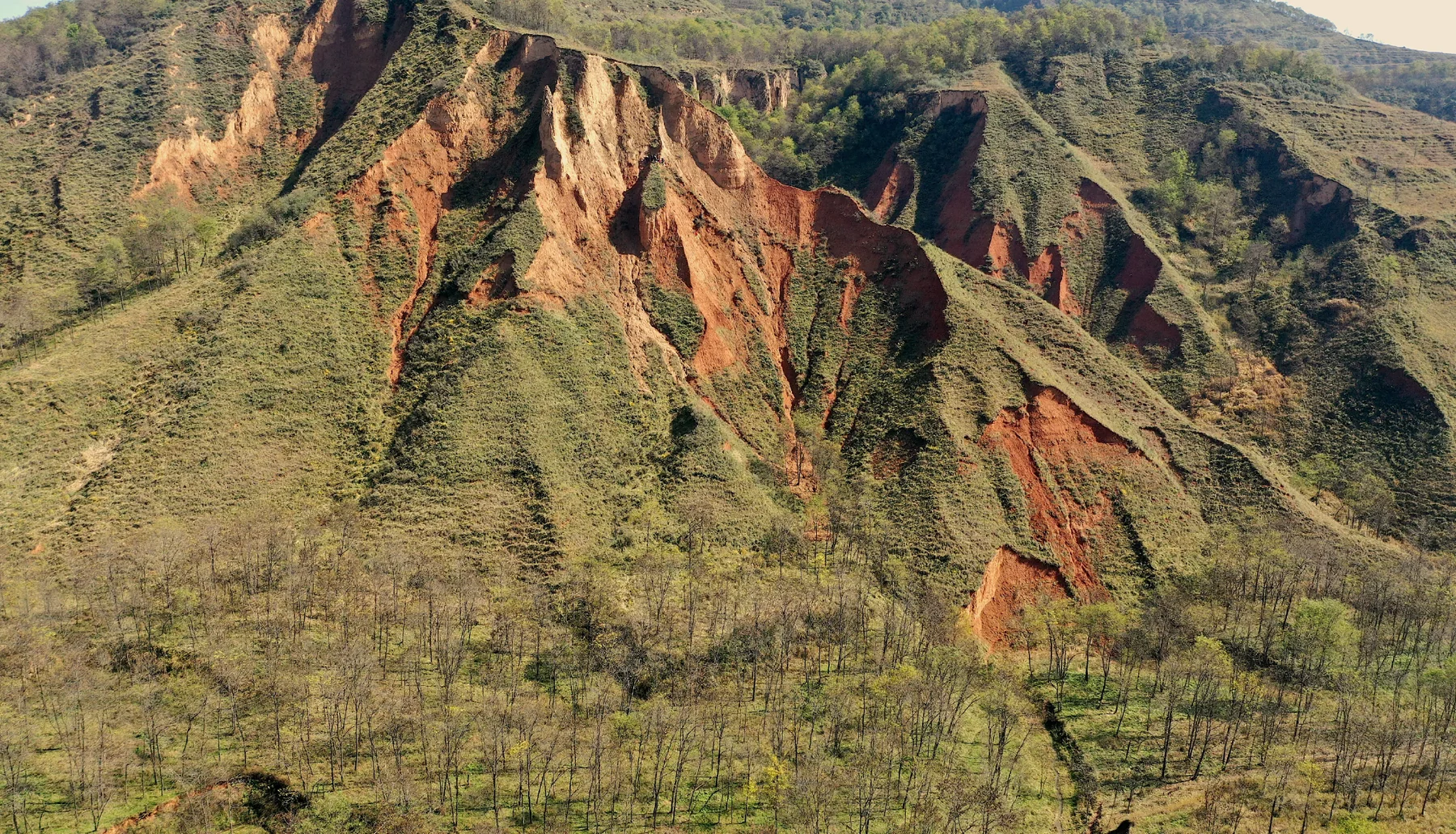
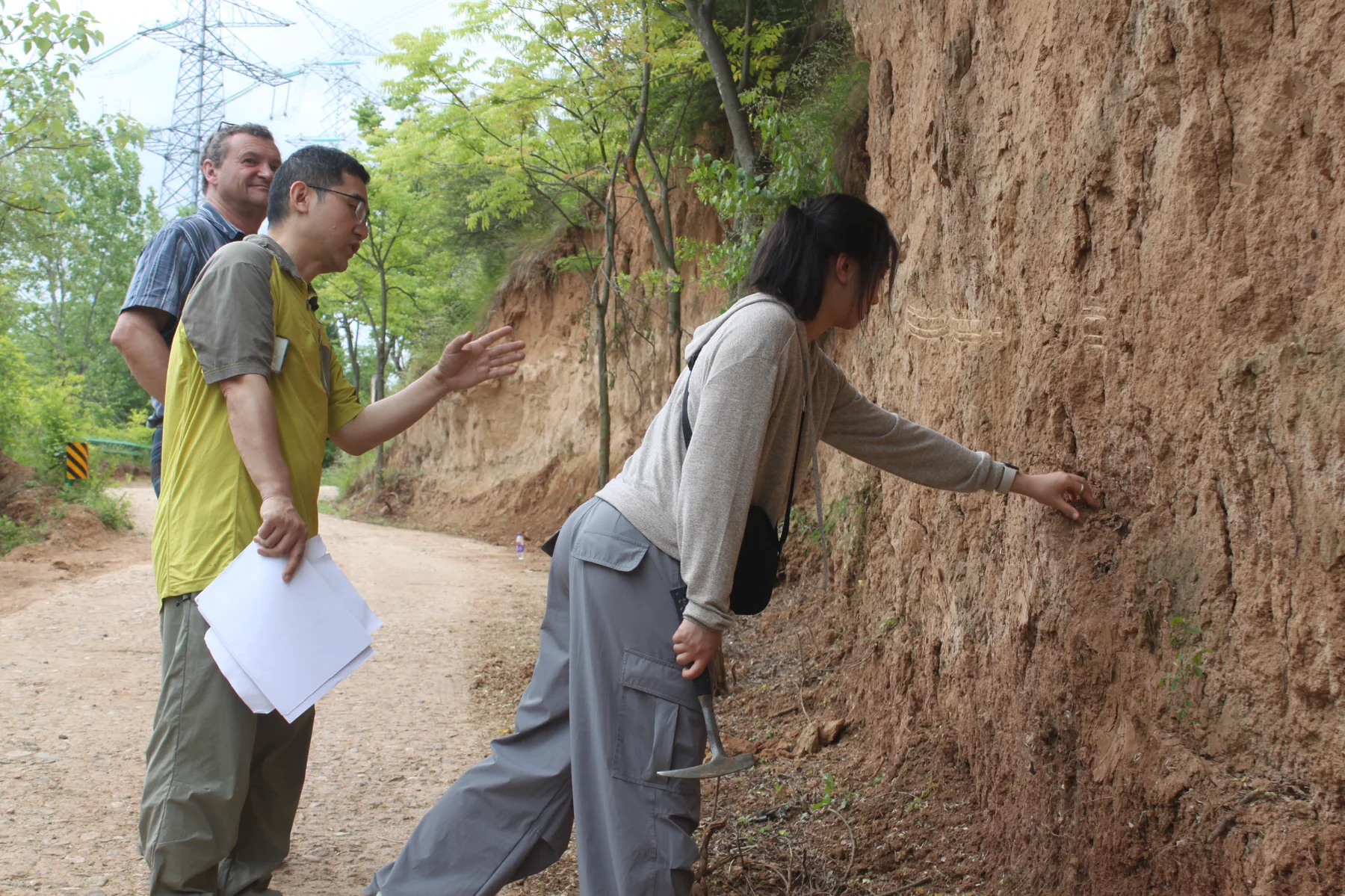
Long before a landscape becomes a graph or a headline, it has to be observed. These photographs trace Sophia's field visits to the Chinese Loess Plateau.

Eroded reddish exposures across a grassy hillside on the Chinese Loess Plateau
THE CHINESE LOESS PLATEAUThe history is
in the layers.
Personal fieldwork photographs · Chinese Loess Plateau
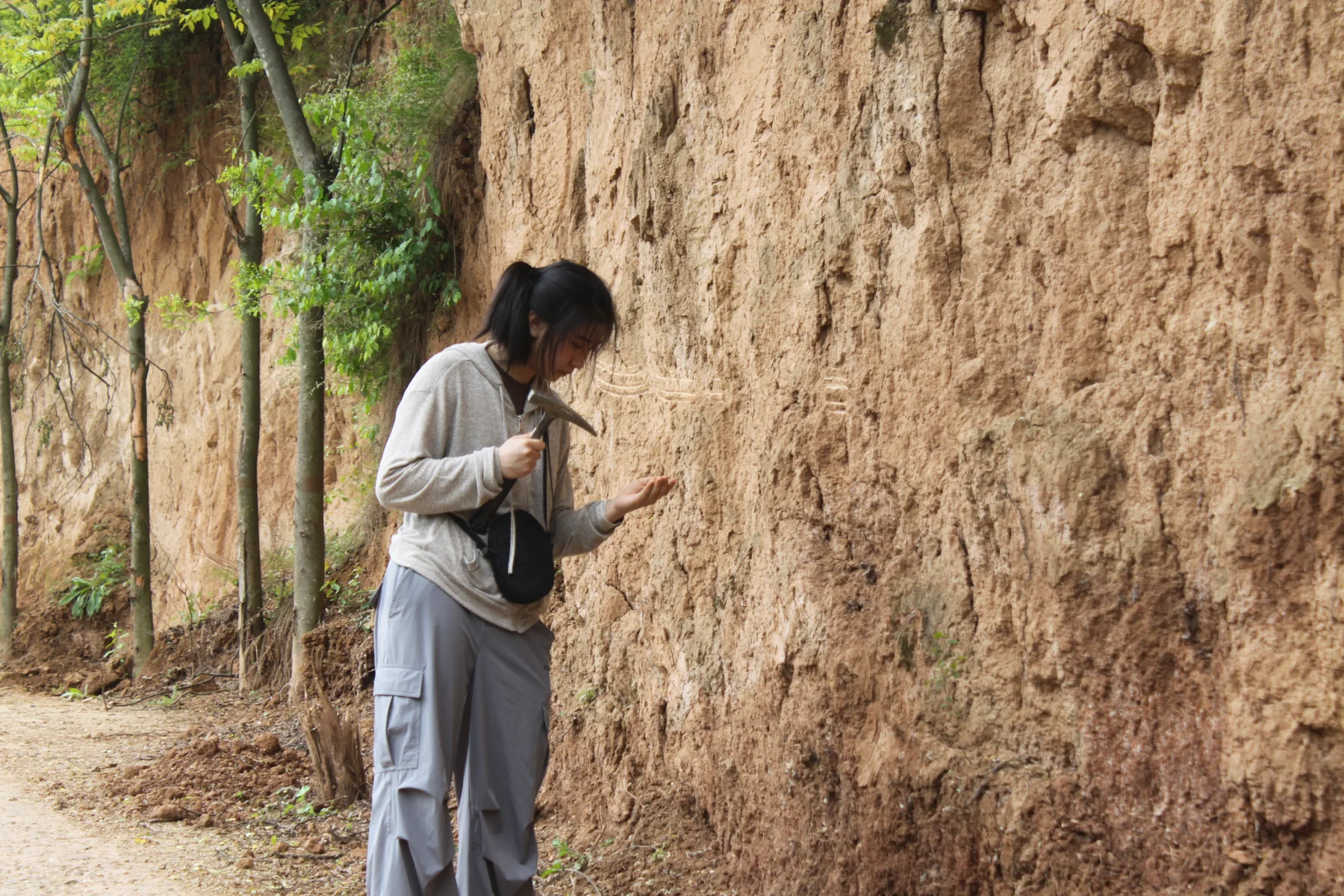
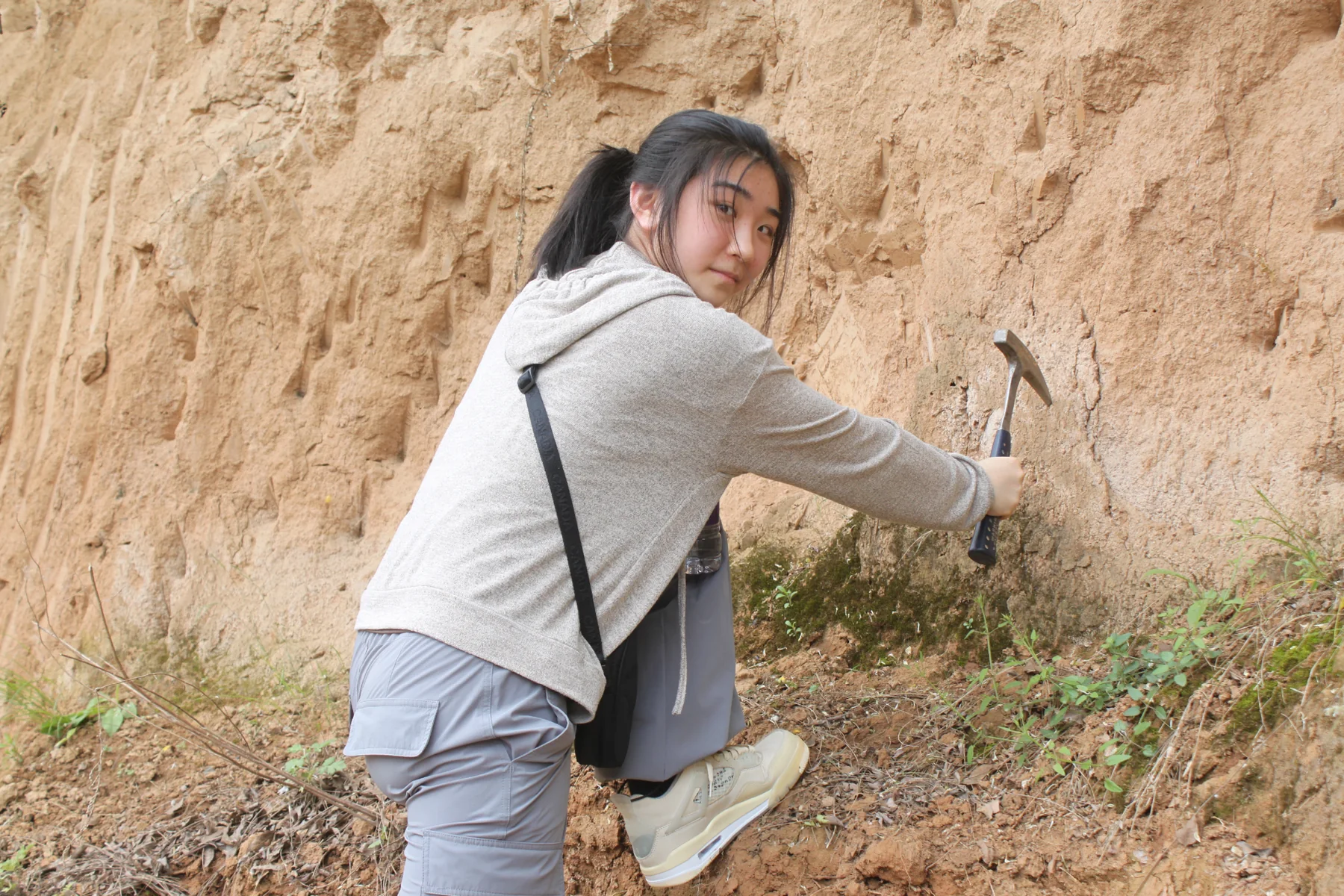
Sophia looking closely at material from a loess exposure while holding a geological hammer
At the outcrop
FIELD OBSERVATIONS

Out of the classroom,
into the layers.

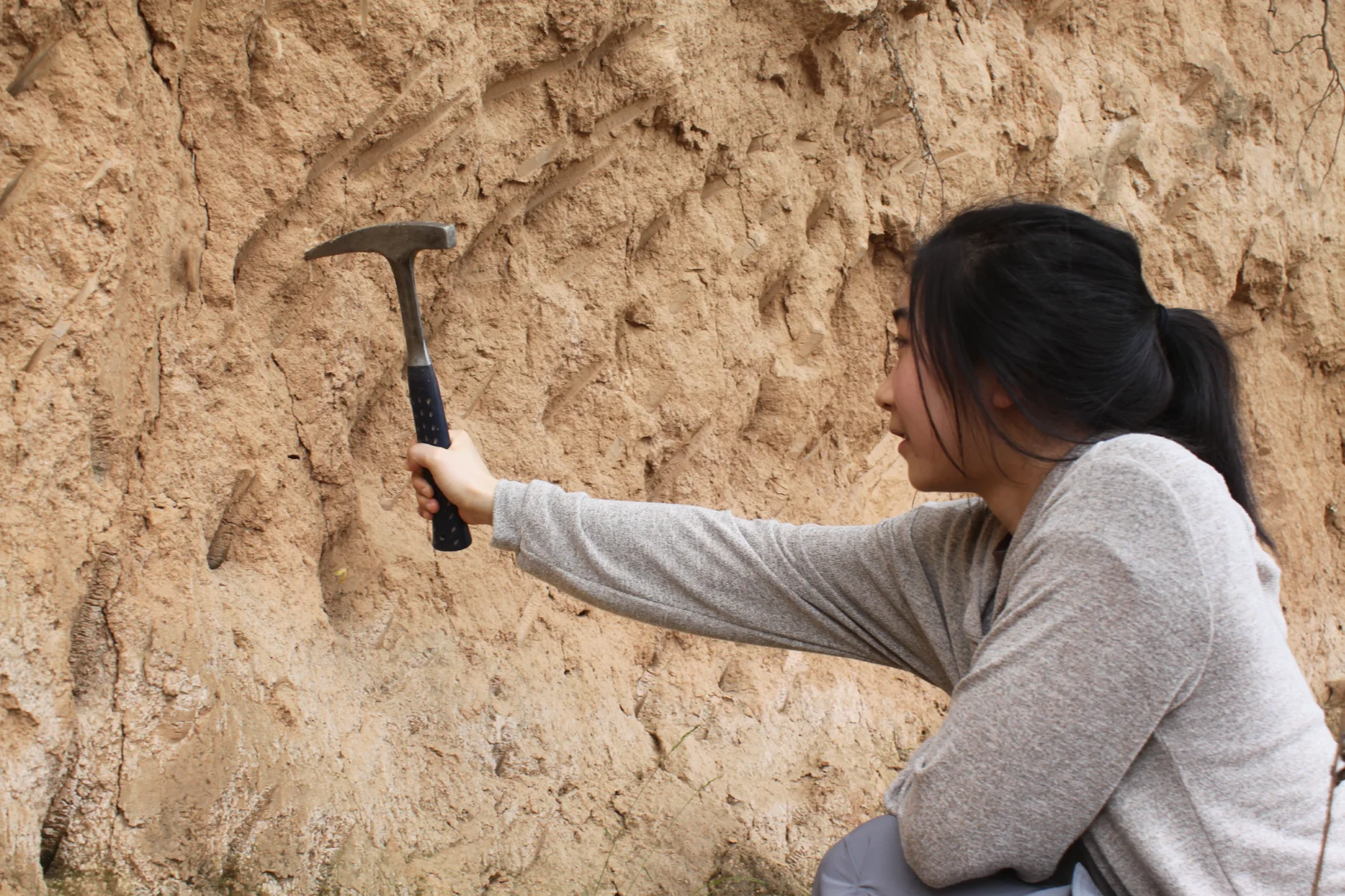
Field visits offered a close-up view of the sediments that help researchers reconstruct past environments. The work starts with simple questions: What can be seen? What has changed? What evidence survives?

Sophia examining a loess exposure with a geological hammer
Reading a sediment section
FIELD CONVERSATIONS

Ideas tested
in person.

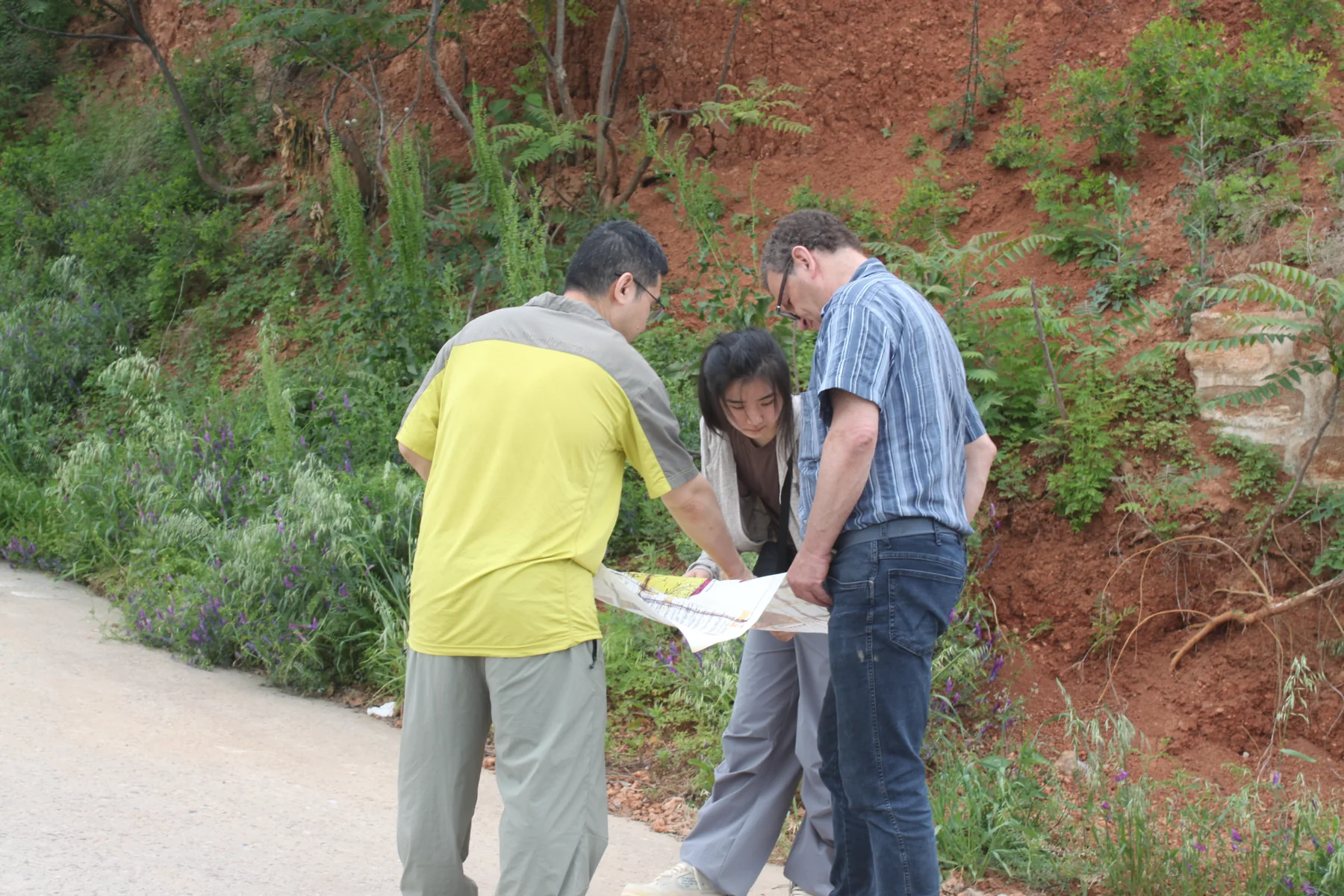
Observations are discussed in the field, with geological exposures and maps close at hand.

Sophia and two field colleagues consulting a paper map
Discussing the route and observations
Sophia pointing to a sediment exposure during a field discussion
Examining an exposure together
FIELDWORK NOTE

These images are from the Chinese Loess Plateau, not from the Tibet–Nepal disaster corridor covered in the published commentaries. They offer a glimpse of Sophia's Earth-science background.

05 / COMING NEXT

More ways
to tell the story.

Photography remains central. Interactive terrain and short videos can add explanation when the content is ready.

A road cutting through a Himalayan mountain valley01 / INTERACTIVE ATLAS

Beyond the map

A future 3D terrain experience connecting physical hazards with the roads, settlements, and movement that shape exposure.

In development — not a live risk forecast
Mountain settlement beneath snow-capped peaks in Langtang, Nepal02 / SHORT DOCUMENTARY

Stories in motion

A reserved home for short narrated explainers, subtitles, and future personal storytelling, including any later published First Person work.

Planned — no video published yet
06 / BEHIND THE WRITING

Science is where
the questions begin.

Sophia at a loess outcrop holding a geological hammer and looking towards the camera
Sophia during fieldwork on the Chinese Loess Plateau

I'm Sophia Moxuan Zhang, a student and paleoclimate researcher based in Edmonton, Canada.

Fieldwork and research have taught me to look closely at physical evidence and to ask how landscapes change over time.

Writing for a wider public has made me ask different questions: who lives with risk, whose journeys are counted, and what can communities prepare for?

Beyond the Landslide is an independent writing project. It is not a disaster-response service and does not offer live safety guidance.

Sophia Moxuan Zhang Edmonton, Canada